
The gap between “demo that calls a tool” and “production client that handles 10,000 daily users” is everything we have not talked about yet: connection pooling, retry logic, cost control, token budget management, error classification, telemetry, and graceful degradation. This lesson builds a production-grade OpenAI MCP client library from scratch – the kind you would actually deploy in a company. Every pattern here comes from real production failure modes.
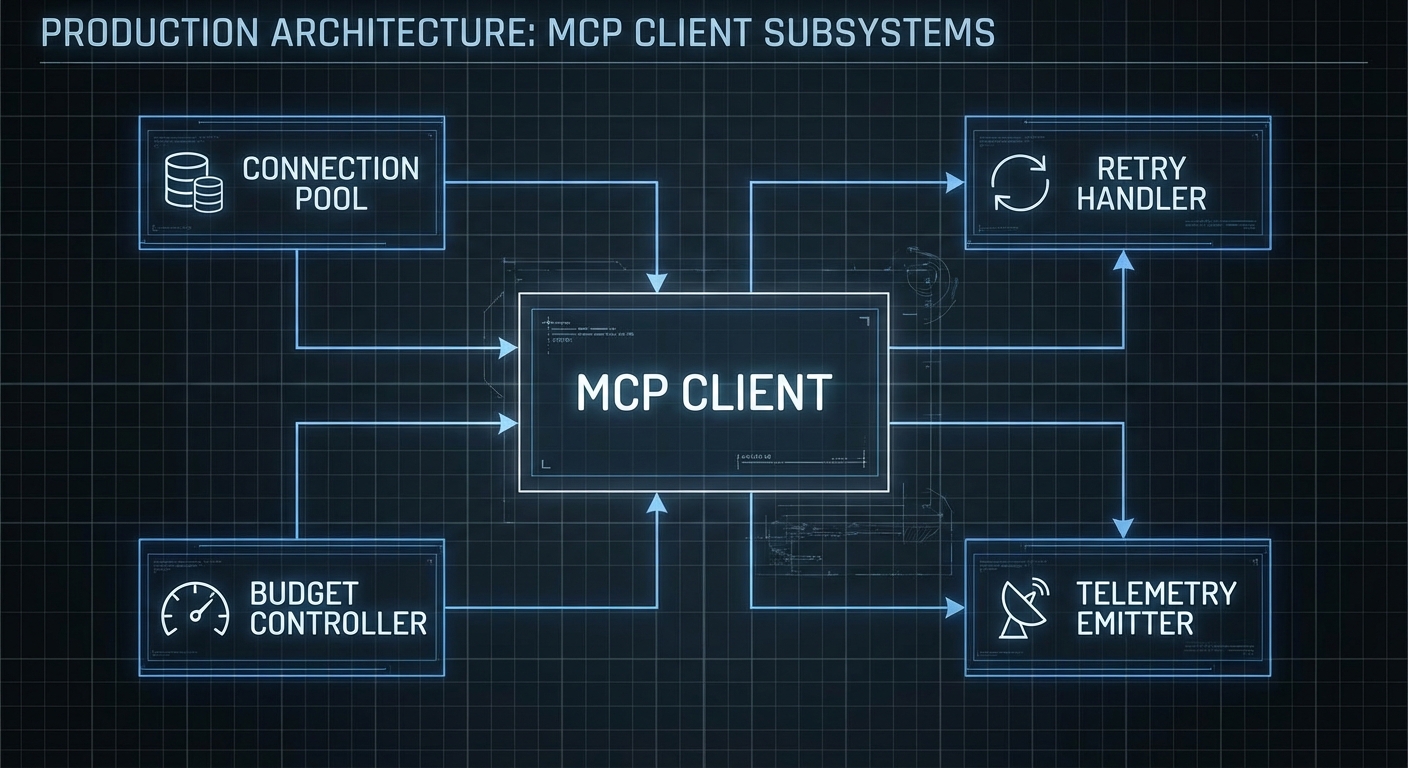
The Production Client Library
// mcp-openai-client.js - Production-grade MCP + OpenAI client

import OpenAI from 'openai';
import { Client } from '@modelcontextprotocol/sdk/client/index.js';
import { StdioClientTransport } from '@modelcontextprotocol/sdk/client/stdio.js';

const DEFAULT_CONFIG = {
  model: 'gpt-4o',
  maxTokens: 4096,
  maxIterations: 15,
  temperature: 0.1,
  retries: 3,
  retryDelay: 1000,  // ms
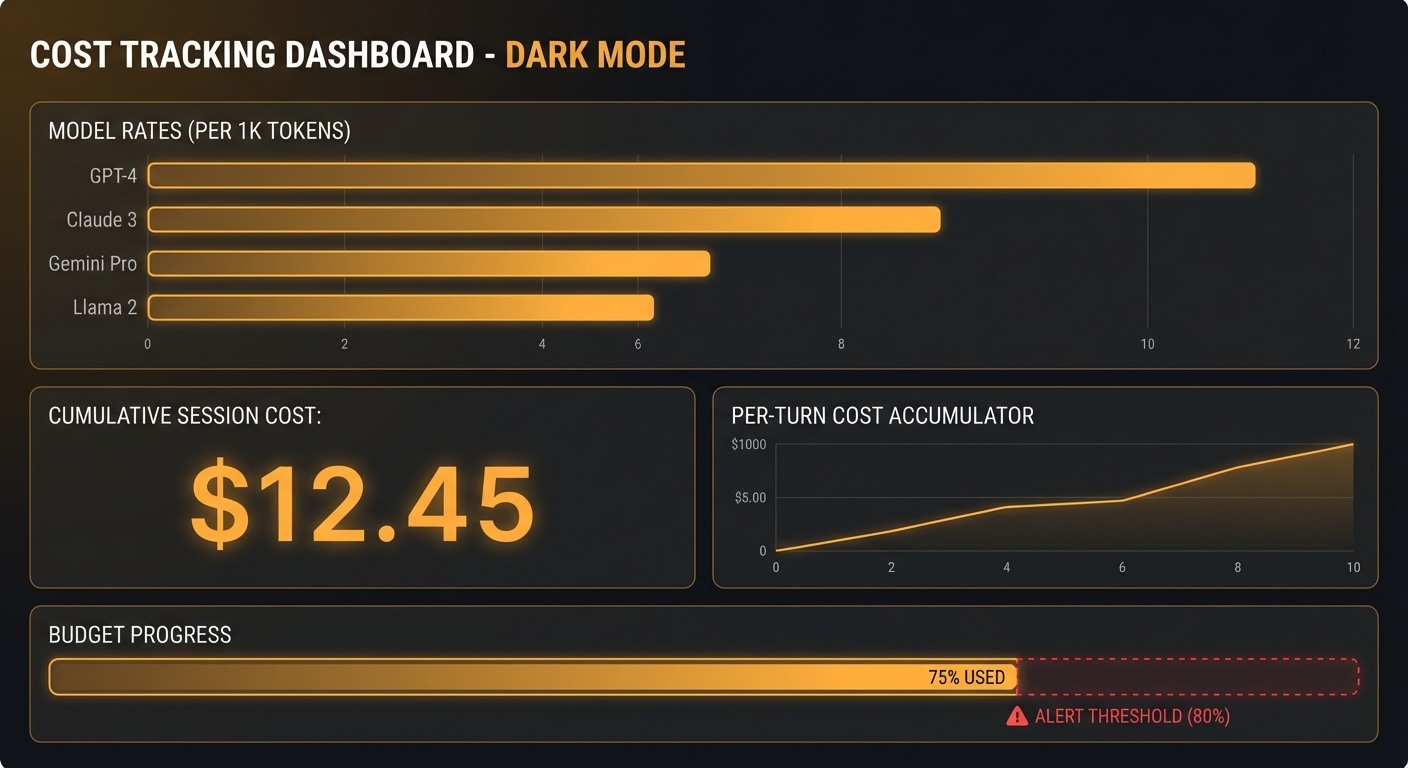
  budgetUSD: 0.50,   // Max cost per conversation
  timeoutMs: 120_000, // 2 minute timeout per conversation
};

// Token cost estimates (USD per 1M tokens, approximate)
const MODEL_COSTS = {
  'gpt-4o': { input: 2.50, output: 10.00 },
  'gpt-4o-mini': { input: 0.15, output: 0.60 },
  'o3': { input: 15.00, output: 60.00 },
  'o3-mini': { input: 1.10, output: 4.40 },
};

export class McpOpenAIClient {
  constructor(mcpServerConfig, options = {}) {
    this.config = { ...DEFAULT_CONFIG, ...options };
    this.openai = new OpenAI({ apiKey: options.apiKey || process.env.OPENAI_API_KEY });
    this.mcpServerConfig = mcpServerConfig;
    this.mcpClient = null;
    this.tools = [];
    this.totalCostUSD = 0;
  }

  async connect() {
    this.mcpClient = new Client(
      { name: 'production-host', version: '1.0.0' },
      { capabilities: {} }
    );

    const transport = new StdioClientTransport(this.mcpServerConfig);
    await this.mcpClient.connect(transport);

    const { tools } = await this.mcpClient.listTools();
    this.tools = tools.map(t => ({
      type: 'function',
      function: { name: t.name, description: t.description, parameters: t.inputSchema },
    }));

    console.error(`[mcp] Connected - ${this.tools.length} tools available`);
  }

  async disconnect() {
    await this.mcpClient?.close();
  }

  estimateCostUSD(inputTokens, outputTokens, model) {
    const costs = MODEL_COSTS[model] || MODEL_COSTS['gpt-4o'];
    return (inputTokens / 1_000_000) * costs.input + (outputTokens / 1_000_000) * costs.output;
  }

  async executeWithRetry(fn, maxRetries = this.config.retries) {
    let lastError;
    for (let attempt = 1; attempt <= maxRetries; attempt++) {
      try {
        return await fn();
      } catch (err) {
        lastError = err;
        const isRetryable = err.status === 429 || err.status === 500 || err.status === 503;
        if (!isRetryable || attempt === maxRetries) throw err;

        const delay = this.config.retryDelay * Math.pow(2, attempt - 1); // Exponential backoff
        console.error(`[openai] Attempt ${attempt} failed: ${err.message}. Retrying in ${delay}ms`);
        await new Promise(r => setTimeout(r, delay));
      }
    }
    throw lastError;
  }

  async run(userMessage, systemPrompt = null) {
    const startTime = Date.now();
    const messages = [];

    if (systemPrompt) messages.push({ role: 'system', content: systemPrompt });
    messages.push({ role: 'user', content: userMessage });

    let iteration = 0;
    let totalInputTokens = 0;
    let totalOutputTokens = 0;

    while (true) {
      if (++iteration > this.config.maxIterations) {
        throw new Error(`Exceeded max iterations (${this.config.maxIterations})`);
      }

      if (Date.now() - startTime > this.config.timeoutMs) {
        throw new Error(`Conversation timeout after ${this.config.timeoutMs}ms`);
      }

      if (this.totalCostUSD > this.config.budgetUSD) {
        throw new Error(`Budget exceeded: $${this.totalCostUSD.toFixed(4)} > $${this.config.budgetUSD}`);
      }

      const response = await this.executeWithRetry(() =>
        this.openai.chat.completions.create({
          model: this.config.model,
          messages,
          tools: this.tools.length > 0 ? this.tools : undefined,
          max_tokens: this.config.maxTokens,
          temperature: this.config.temperature,
        })
      );

      const usage = response.usage;
      totalInputTokens += usage?.prompt_tokens || 0;
      totalOutputTokens += usage?.completion_tokens || 0;
      const turnCost = this.estimateCostUSD(
        usage?.prompt_tokens || 0,
        usage?.completion_tokens || 0,
        this.config.model
      );
      this.totalCostUSD += turnCost;

      const choice = response.choices[0];
      const message = choice.message;
      messages.push(message);

      if (choice.finish_reason !== 'tool_calls') {
        const elapsedMs = Date.now() - startTime;
        console.error(`[stats] iterations=${iteration} tokens=${totalInputTokens}+${totalOutputTokens} cost=$${this.totalCostUSD.toFixed(4)} elapsed=${elapsedMs}ms`);
        return {
          content: message.content,
          iterations: iteration,
          totalCostUSD: this.totalCostUSD,
          tokens: { input: totalInputTokens, output: totalOutputTokens },
          elapsedMs,
        };
      }

      // Execute tool calls
      const toolResults = await Promise.all(
        message.tool_calls.map(async (tc) => {
          let args;
          try {
            args = JSON.parse(tc.function.arguments);
          } catch {
            return { role: 'tool', tool_call_id: tc.id, content: 'Error: Invalid tool arguments JSON' };
          }

          try {
            const result = await this.mcpClient.callTool({ name: tc.function.name, arguments: args });
            const text = result.content.filter(c => c.type === 'text').map(c => c.text).join('\n');
            const errorFlag = result.isError ? '[TOOL ERROR] ' : '';
            return { role: 'tool', tool_call_id: tc.id, content: errorFlag + text };
          } catch (err) {
            console.error(`[tool] ${tc.function.name} error: ${err.message}`);
            return { role: 'tool', tool_call_id: tc.id, content: `Tool execution failed: ${err.message}` };
          }
        })
      );

      messages.push(...toolResults);
    }
  }
}
Usage Pattern
import { McpOpenAIClient } from './mcp-openai-client.js';

const client = new McpOpenAIClient(
  { command: 'node', args: ['server.js'] },
  {
    model: 'gpt-4o-mini',
    budgetUSD: 0.10,
    maxIterations: 8,
    timeoutMs: 60_000,
  }
);

await client.connect();

const result = await client.run(
  'Find me a good Python book for beginners under $40',
  'You are a helpful book recommendation assistant.'
);

console.log('Answer:', result.content);
console.log('Cost:', `$${result.totalCostUSD.toFixed(4)}`);
console.log('Iterations:', result.iterations);

await client.disconnect();
“For production deployments, implement exponential backoff for rate limit errors (429). The OpenAI API will return Retry-After headers for rate limits – respect these values.” – OpenAI Documentation, Error Codes
Failure Modes in Production
Case 1: No Budget Control
// A single misbehaving agent with no budget cap can cost hundreds of dollars
// Always set a budgetUSD limit per conversation
// Always set a maxIterations limit per conversation
// Log and alert when conversations exceed 80% of budget
Case 2: Catching All Errors and Retrying Blindly
// Some errors should NOT be retried - e.g. 400 Bad Request (invalid schema)
// 429 = retry (rate limit)
// 500/503 = retry (server error)
// 400 = do NOT retry (your code is wrong)
// 401/403 = do NOT retry (authentication issue)
What to Check Right Now
- Set per-conversation budgets – $0.10 is a reasonable starting point for most workflows. Adjust based on your model and expected tool call count.
- Implement exponential backoff – the pattern shown above (doubling delay on each retry) is the industry standard. Start at 1000ms, cap at 60000ms.
- Log every tool call – production debugging without tool call logs is nearly impossible. Log tool name, arguments, result length, and execution time for every call.
- Monitor iteration counts – if average iterations are above 8, your tool descriptions or system prompt may be unclear. Investigate and improve before scaling.
nJoy 😉